Wolsztyn is one of the most beautiful and popular towns in the Wielkopolska Region. Its main attraction is the historic steam locomotive depot, which has continuously serviced trains with steam engines since 1907. Billows of smoke from the chimneys, the hiss of steam, the smell of oil… And when you need a break from all this excitement, you can relax by the two nearby lakes or in one of the cafés on the market square.
Wolsztyn Steam Locomotive Depot
Begin your tour of Wolsztyn at the point where most visitors start – at the steam locomotive depot. Established at the beginning of the 20th century to service several railway lines converging in Wolsztyn, it has operated continuously ever since. What makes it unique worldwide is that it continues to service steam locomotives. Moreover, these historic engines are not used solely on tourist lines – every day, scheduled trains depart from Wolsztyn station, pulled by a steam locomotive.
The Wolsztyn Steam Locomotive Depot is not only a home for old engines. It also includes workshops where experienced masters ensure each day that the locomotives are ready for the following day. Visitors can watch coal being loaded and water tanks being filled – a messy task, but one that offers a glimpse of what travel was like a century ago.
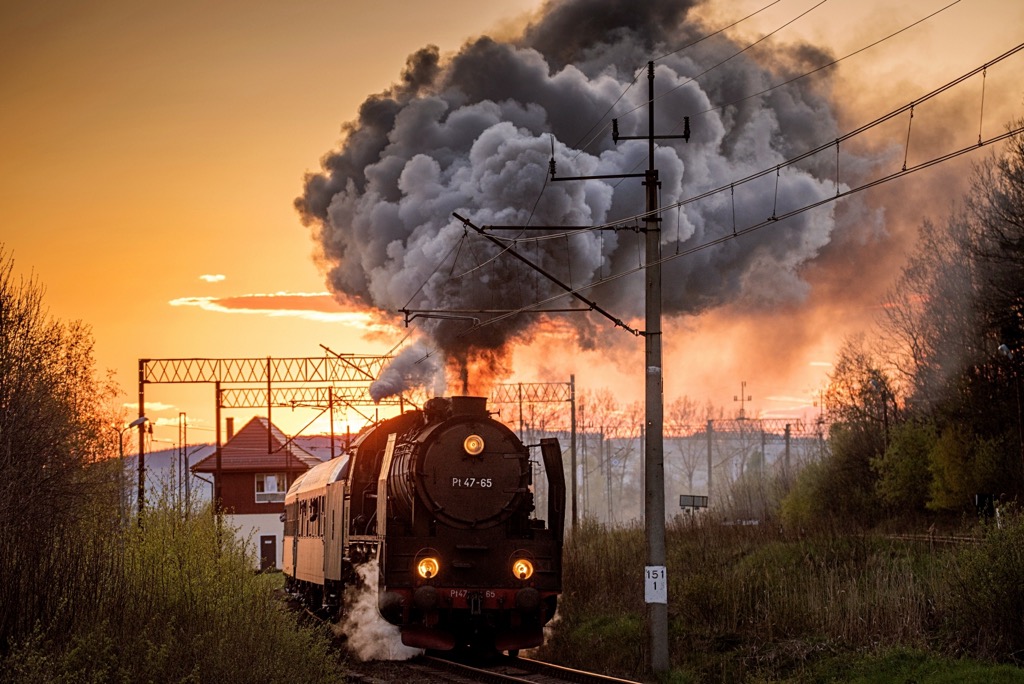

Currently, three steam locomotives are in operation, while several others are preserved as technical monuments. The depot also houses a rich collection of old carriages, railway cranes, and other equipment. You can explore independently with an audio guide, or join a guided tour. Some of the guides are former railway workers who can show details you would almost certainly miss on your own.
Exploring the town
It takes about 20 minutes to walk from the steam locomotive depot to the centre of Wolsztyn – not far at all. We suggest passing by the railway station, where the tourist information centre is located. Look out for the figure on the roundabout; turning right there will take you to the town centre. On the left, you will see several notable buildings, including the post office, the county office, and the former Evangelical church.
From here, the market square is only a few hundred metres away, but it is worth stopping at the parish church along the way. You will not miss its tall white tower. The market square is a perfect place for a coffee at one of the several cafés, while more delightful options await along Robert Koch Street. In one of its oldest houses is the Robert Koch Museum. Few people know that this distinguished biologist and Nobel Prize laureate served for many years as the district doctor in Wolsztyn, where he also conducted his first experiments.

Exploring the lake
In the opposite direction from the market square, you will reach the promenade along the lake. It is a favourite walking spot for locals and a popular destination for tourists. At one point, the promenade leads into a park, where some paths extend onto piers among the reeds. In the heart of the park stands a large tree carved with mysterious faces. This is the work of Marcin Rożek, a renowned sculptor who lived in Wolsztyn. His former home is now a museum.
At the end of the promenade is the town beach, complete with a pier, swimming areas, and a water sports equipment rental. There is also an amphitheatre. There was a time when visitors were not simply allowed to walk through the park. When the palace located at the rear of the park was privately owned, access to the park was also restricted to the socially privileged.

Life in the past
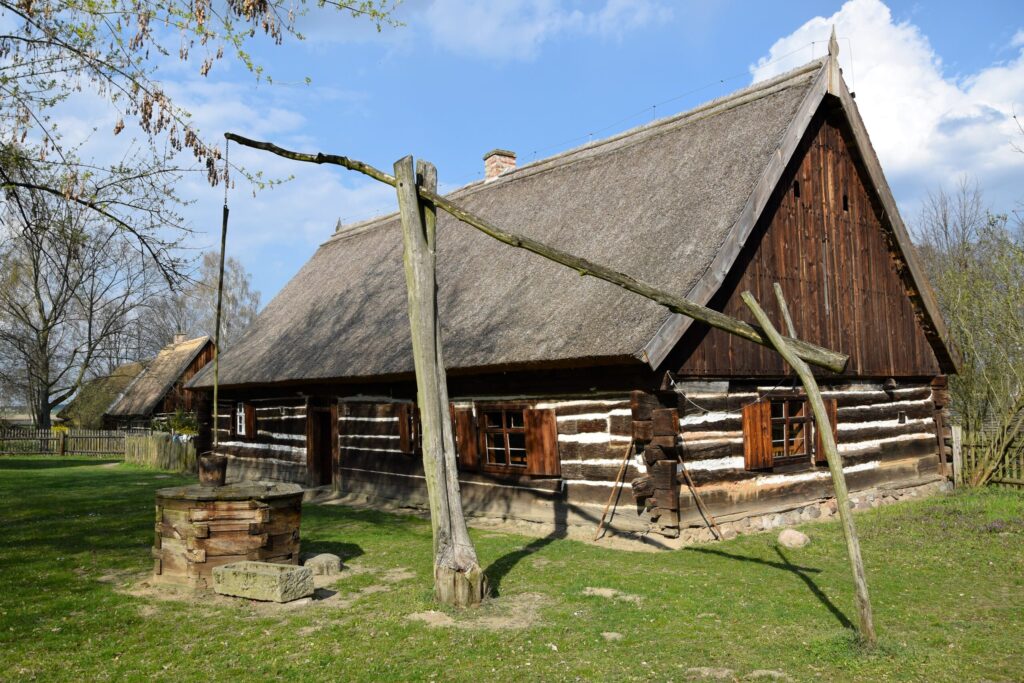
If you take a walk in the opposite direction from the path to the park, after about 30 minutes you will reach the Open-Air Museum of Folk Architecture of Western Wielkopolska. Don’t be put off by the long name – inside lies a fascinating open-air museum, bringing a historic Wielkopolska village back to life.
Here, you can see the houses of wealthy Olęder farmers (Olęders were settlers from the Netherlands who arrived in Poland in the 17th and 18th centuries), the humble homes of poorer farmers, a tavern, a smithy, and one of the oldest preserved windmills in Poland, dating from 1603. It is a pity that the tavern cannot speak and tell its own anecdotes.