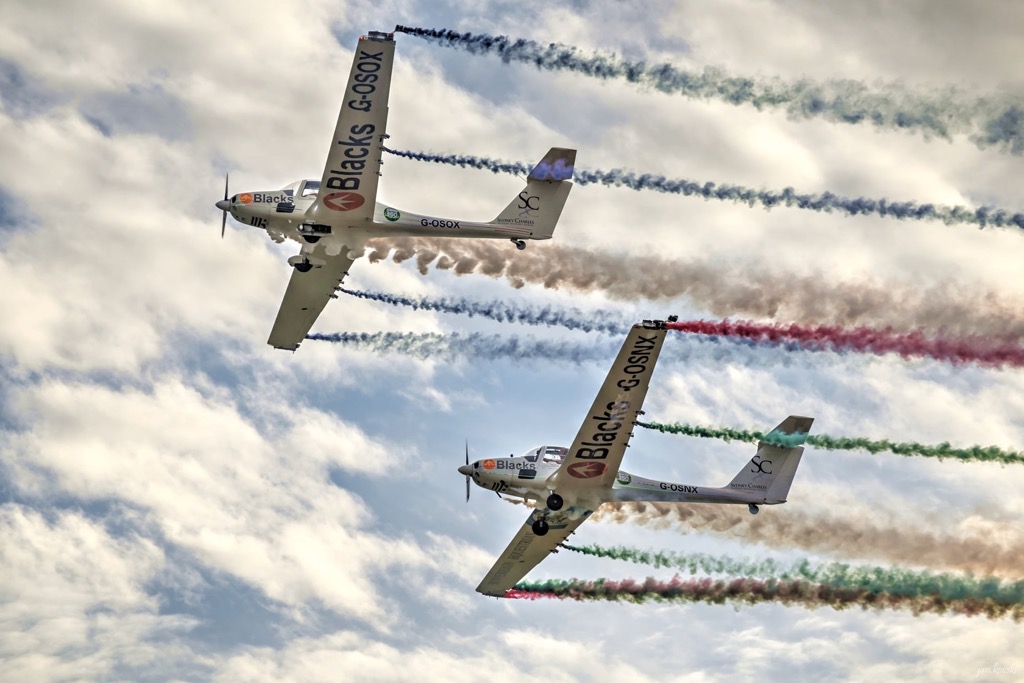
Located halfway between Poznań and Wrocław, Leszno is a fascinating hub of the former Wielkopolska-Silesia borderlands. Here, cultures, languages, and religions once intermingled. Today, Leszno is also known for its gliding school, Poland’s largest air shows, and thrilling speedway racing.
History
From the very beginning, Leszno developed as a private town, from which the Leszczyński family name originates. It was the birthplace of King of Poland Stanisław Leszczyński, whose daughter became the queen of France. Leszno’s golden age spanned the 16th and 17th centuries, when it was a thriving centre of the Reformation, learning and printing. At that time, Catholics, Lutherans, the Moravian Brethren, and Jews lived side by side in the town. It was also home to the distinguished Czech educator Jan Amos Komensky and Jan Jonston, a descendant of Scottish immigrants.
Market Square
The Market Square, dominated by the Town Hall, is the heart and symbol of Leszno. The Town Hall has been rebuilt several times; its current form was designed in 1709 by the distinguished Italian architect Pompeo Ferrari. Its tall tower, topped with a metal spire, features a carillon – a set of bells that plays melodies several times a day.
The square is surrounded by colourful townhouses, the oldest of which, at number 29, is called Wieniawa. It houses an elegant restaurant of the same name. The square flows naturally into pedestrian Słowiańska Street, which leads from the vicinity of the railway station.


A city of many cultures
Explore the traces of Leszno’s former multicultural and multireligious heritage. The easiest way to find them is in the city’s many places of worship. The Baroque Basilica of St Nicholas – Leszno’s parish church – was also designed by Pompeo Ferrari.
South of the Market Square stands the former Evangelical Church of the Holy Cross, originally built for Protestants. It is surrounded by a lapidarium of old tombstones with inscriptions in Polish and German. In the eastern part of the city centre is the Church of St John the Baptist, which once served as a Moravian Brethren congregation. This community came to Leszno seeking religious freedom and tolerance in Poland. A historic synagogue also survives – one of the few in the Wielkopolska Region. The former centre of the Jewish community now functions as an art gallery.
More than just monuments
In Leszno – a city where the genius loci, or spirit of the place, feels omnipresent – visitors sense it everywhere. Strolling Leszno’s old town streets and alleys reveals a mix of styles and eras – from Renaissance and Baroque gems of its golden age, through Prussian-era 19th-century buildings, to modern murals.

Antidotum Airshow Leszno
Gliders join the Town Hall as Leszno’s top symbols. On the outskirts of Leszno is the Central Gliding School, which boasts one of the best gliding airfields in Europe.
However, the city is best known for the spectacular Antidotum Airshow Leszno, the largest recurring event of its kind in Poland. Each year, tens of thousands of spectators admire displays in the sky, including jet and helicopter demonstrations by Polish and foreign air forces, aerobatic planes and teams from across Europe, gliders, paragliders, parachutists, and much more.
The event uniquely combines traditional daytime shows with spectacular night performances under dazzling post-sunset pyrotechnics. Live music from an on-stage band ties it all together.