Jarocin is a town like no other in the Wielkopolska Region, associated with music, freedom, youthful imagination, and mischievous humour. Its history, however, is much older and dates back to the Middle Ages. Numerous monuments and remarkable stories remain from the powerful Radoliński family that once ruled the town.
Town of rock music and a legendary festival
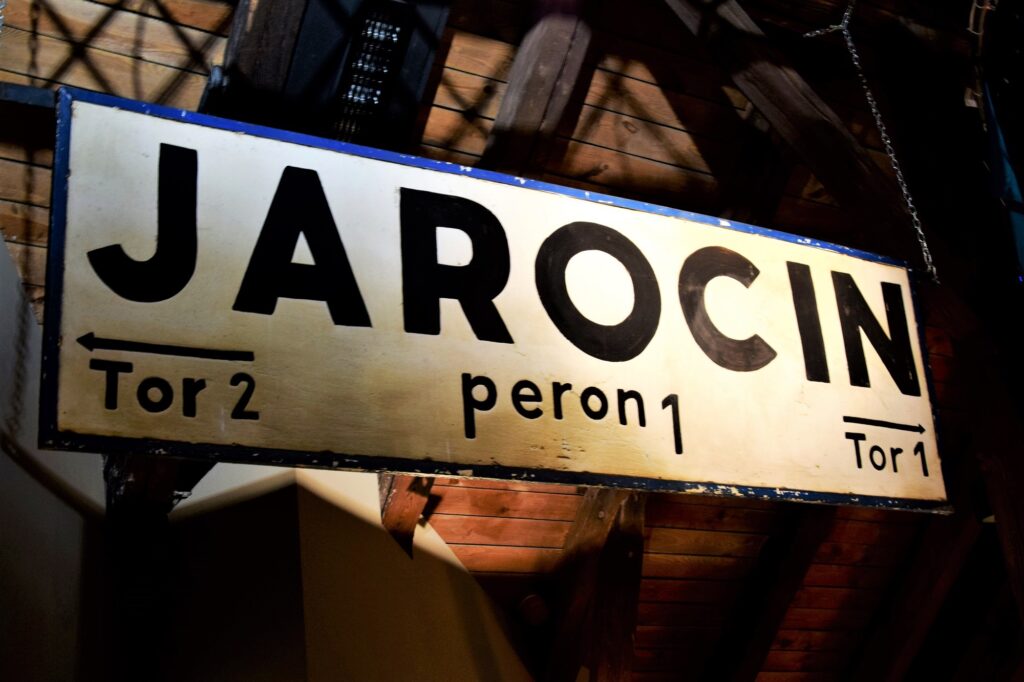
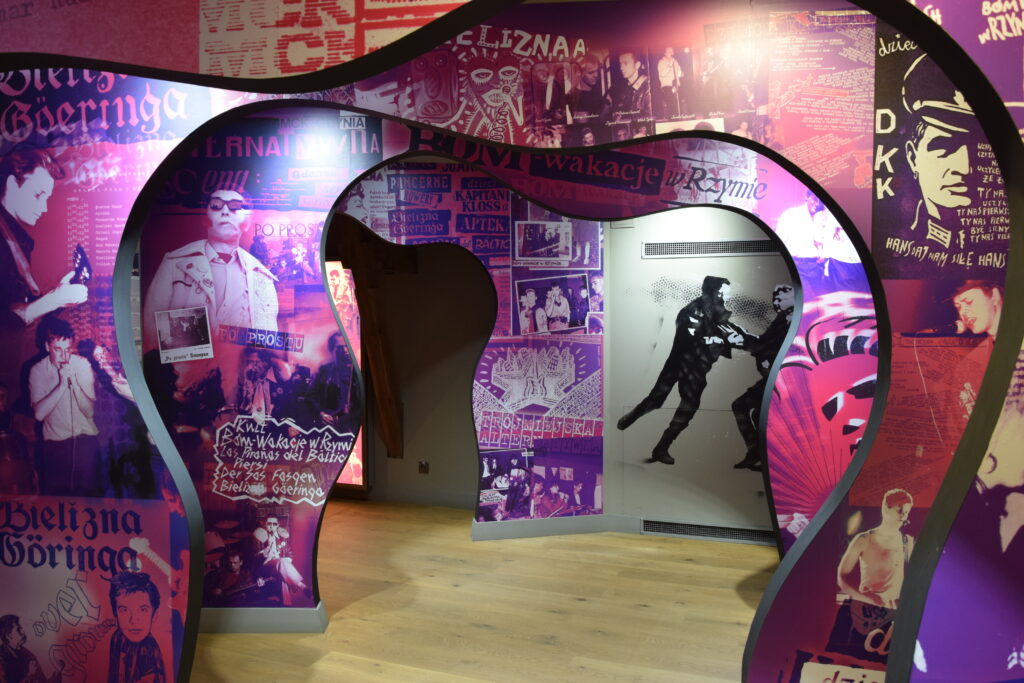
In a town renowned for music festivals whose history dates back to the 1970s, elements of this heritage abound. That is why, in 2011, a boot monument was erected here, and in 2014, the Polish Rock Granary was opened, featuring an exhibition on the history of music in Poland and the Jarocin Festival.
The Polish Rock Granary, however, is not just another quiet museum. Dozens of multimedia stations let visitors listen to the best Polish performers, watch archival concerts and interviews, and see what life in Jarocin was like during the biggest editions of the legendary festival.
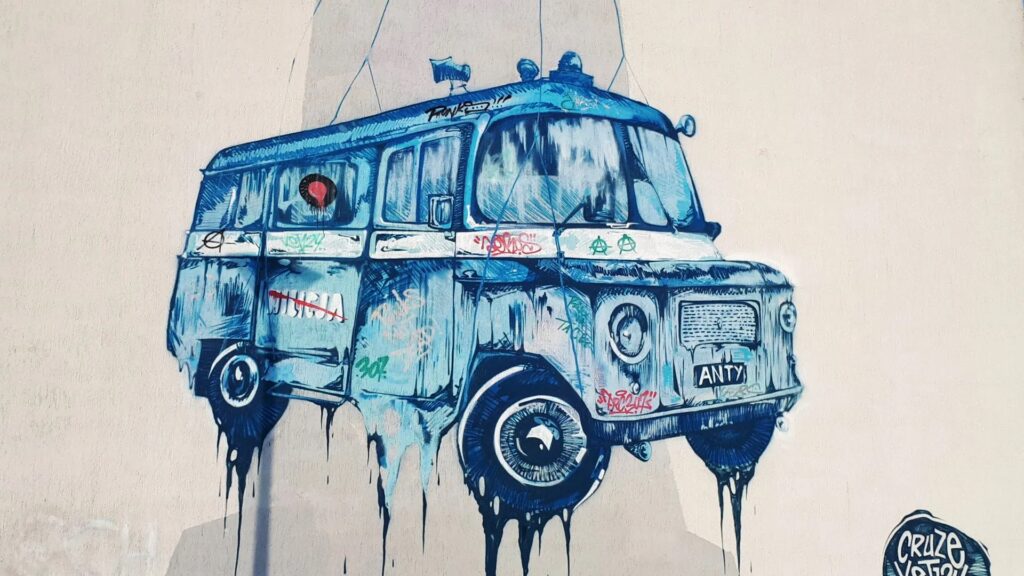
While walking around the town, look out for murals that adorn the walls of many buildings and tenements. Most of them refer to the Jarocin Festival, Polish rock music, and the punk subculture.
Town centre
At the market square in the town centre stands a two-storey Town Hall, built at the turn of the 18th and 19th centuries. The main town promenade also extends from the market.
In the immediate vicinity of the market rises the white silhouette of St Martin’s Church, one of the oldest churches in the Wielkopolska Region – first mentioned in the mid-13th century. The main altar, built in the classical style, attracts the most attention. The church also houses a Baroque pulpit adorned with figures of saints. The church is surrounded by a rather unusual cloistered wall, atypical for Wielkopolska.
Radoliński Palace
The impressive palace, built in the English neo-Gothic style, was constructed between 1848 and 1865 at the initiative of Władysław Radoliński, the then-owner of the Jarocin estates. The building was designed by the Prussian architect Friedrich August Stüler. The palace was integrated into a large, picturesque English-style garden. Notable architectural elements include the Radoliński family coats of arms on the front façade and a sundial from 1910 on the terrace-facing elevation.
In 2017, a thorough renovation of the palace began, and five years later, a permanent exhibition of the Regional Museum and the SOWA Science Centre was opened – a place where visitors of all ages can explore curiosities from the natural sciences.
Alongside the construction of the Jarocin residence, the palace garden was also planned. The green spaces were adorned with a variety of shrubs, trees, and plants. The park also features other interesting structures, including the Skarbczyk (a former residence from the turn of the 15th and 16th centuries), the ruins of the Gothic Church of the Holy Spirit, and the gardener’s house.